
How to Protect Your Car's Paint from Idaho Winters
Essential tips for protecting your vehicle's paint during harsh Idaho winters. Learn about road salt damage, prevention strategies, and winter care routines.

Co-founder of Gemstar Eagle, focused on operations and client experience.
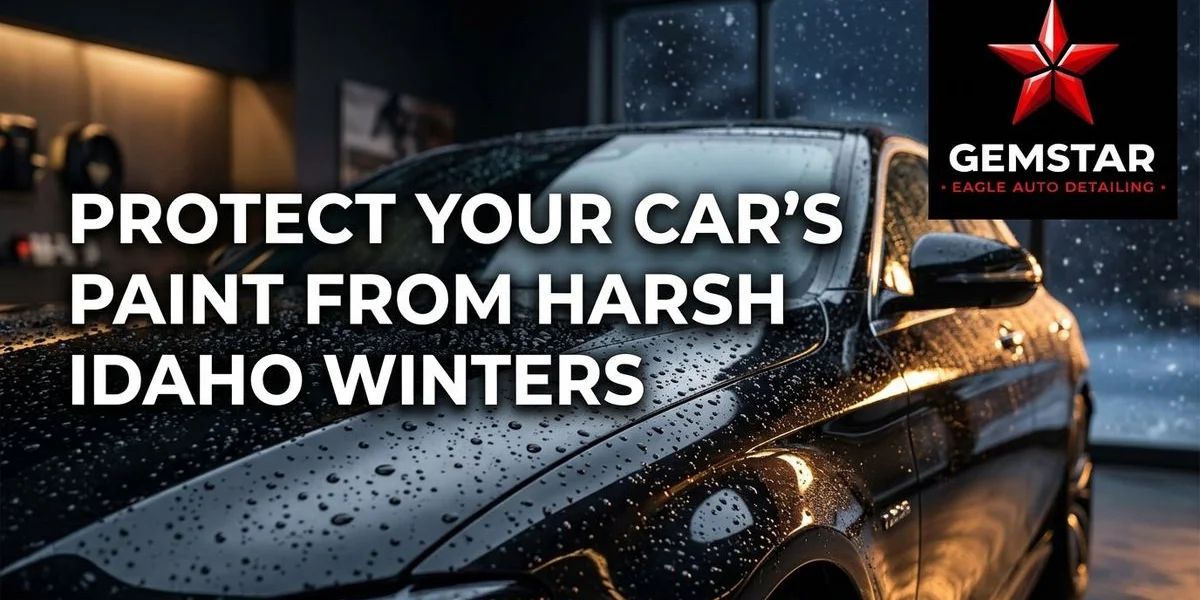
You know how quickly a spotless vehicle turns into a salt-covered mess after just one drive down Highway 55 in January. We see the aftermath of these harsh conditions on cars across Eagle, Boise, and Meridian every single spring. Learning exactly how to protect your car requires an understanding of the specific chemicals used on local roads.
Our Gemstar Eagle mobile auto detailing team has spent years developing strategies to combat this exact problem. The unique mixture of anti-icing agents in Idaho demands a specialized approach to vehicle care. We use a data-driven approach to keep your paint completely safe from freezing temperatures and flying gravel.
Here is a look at the facts behind winter paint damage and a few practical ways to safeguard your investment.
Why Idaho Winters Are Especially Hard on Paint
Road Salt and Magnesium Chloride
The Idaho Transportation Department uses hundreds of thousands of gallons of liquid magnesium chloride annually for anti-icing. We know this chemical is highly effective at melting ice, but it is incredibly corrosive to automotive paint. Magnesium chloride attracts moisture even at humidity levels as low as 20 percent.
Our technicians frequently find that this creates a constant wet layer of corrosive brine on lower body panels. This wet salt mixture aggressively attacks clear coat, exposed metal, and rubber components. We highly recommend addressing this chemical buildup immediately to prevent accelerated rusting.
If left unwashed, this aggressive brine easily eats through protective finishes. Our team identifies several critical areas that sustain the most damage from this chemical:
- Wheel wells and inner fender liners
- Painted rocker panels
- Front bumpers and grilles
- Exposed suspension and brake parts
Temperature Extremes
Winter weather in the Treasure Valley brings rapid and severe temperature swings. We regularly observe diurnal temperature shifts of 15 degrees or more within a single day. Temperatures often plummet to the low 20s overnight and then rebound quickly into the upper 30s.
Our experience shows that these rapid freeze-thaw cycles force your vehicle’s paint to expand and contract repeatedly. This constant movement places immense stress on existing paint defects. We see microscopic cracks widen under this pressure, accelerating the degradation of unprotected surfaces.
Gravel and Road Debris
The Ada County Highway District frequently scatters sand and gravel mixtures to improve road traction. We pull countless small stones from grilles and wiper cowls every spring. This loose gravel quickly becomes projectile ammunition at highway speeds.
Our team repairs hundreds of stone chips on hoods, fenders, and side mirrors each year. A professional hood respray at an auto body shop now costs between $500 and $1,500 based on recent 2026 pricing data. We emphasize prevention because repairing bare metal rust spots is an expensive and time-consuming process. If you already notice damage, check for the 5 signs your car needs paint correction.

How to Protect Your Car Before Winter Arrives
Get a Professional Detail Before Winter
The single best step for your vehicle before the snow flies is a thorough decontamination. We highly advise scheduling a professional detail to remove accumulated summer and fall contaminants. Tree sap, bug residue, and industrial fallout actively weaken your clear coat over time.
Our pre-winter service strips these embedded particles away to create a perfectly smooth surface. A clean surface maximizes the bonding strength of any protective sealant applied afterward. We apply specialized treatments that create a durable barrier against freezing temperatures and corrosive salts.
Apply Ceramic Coating
Investing in a Ceramic coating provides superior defense against winter road chemicals. We favor this technology because its chemical resistance vastly outperforms traditional carnauba wax. Wax degrades very rapidly when exposed to harsh magnesium chloride and freezing moisture.
Our clients love how the hydrophobic surface makes regular winter washing incredibly fast and efficient. Salt and grime simply struggle to bond to this slick, hardened layer. We offer quality paint sealants as a budget-friendly alternative that provides solid protection for three to six months.
Consider Paint Protection Film
Installing paint protection film provides a physical, impact-absorbing barrier for your vehicle’s front end. We recommend this specific upgrade for drivers who frequently commute between Eagle and Boise. This durable urethane layer absorbs the impact of flying gravel without damaging the factory color beneath.
Our installers strategically cover high-risk impact zones to prevent expensive rock chips. Replacing a damaged section of film is significantly cheaper than paying for a costly factory color match repair. We consider this film an essential investment for anyone driving heavily salted and sanded routes like Highway 55.
Winter Maintenance Routine
Wash Every Two Weeks Minimum
Frequent washing is a non-negotiable requirement for surviving the cold months. We tell every customer to wash off road salt within a day or two of any significant storm. Magnesium chloride reactivates and continues eating away at metal every time it gets wet.
Our preferred method is a careful hand wash, but a touchless automatic wash is an acceptable winter alternative. Touchless systems use stronger alkaline soaps that can degrade weaker sealants over time. We still prefer a touchless wash over letting corrosive grime sit on your paint for weeks.
Pay Special Attention to the Undercarriage
Salt accumulation is always heaviest on the undercarriage, wheel wells, and lower body panels. We urge drivers to thoroughly flush these hidden areas during every single wash session. Exposed brake lines, suspension components, and exhaust systems are highly vulnerable to rapid rusting.
Our local self-service car washes in Ada County usually feature dedicated undercarriage sprayers. These specialized nozzles easily blast trapped brine out of hard-to-reach crevices. We recommend spending extra time rinsing the following critical areas:
- Inner wheel wells and suspension coils
- Exhaust hangers and heat shields
- Brake calipers and rotors
- Lower rocker panels and door seams

Dry Your Vehicle After Washing
Residual water creates immediate problems when temperatures drop below freezing. We see torn door seals and frozen locks constantly because vehicles were left wet overnight. Drying the surface completely also prevents stubborn hard water spots from etching into the finish.
Our technicians use plush microfiber towels to safely absorb moisture without scratching the clear coat. Cold weather makes chemical spot removers much less effective, so prevention is key. We always towel dry every inch of the glass and painted panels before returning a vehicle.
Avoid Ice Scrapers on Paint
Using a hard plastic ice scraper on painted surfaces causes severe, permanent damage. We spend countless hours every spring polishing out deep gouges caused by hasty snow removal. Scrapers are designed exclusively for glass windows, never for clear coats.
Our shop recommends keeping a commercial de-icer spray in your trunk for frozen body panels. A simple mixture of rubbing alcohol and water also melts ice safely and effectively. We strongly advise against using hot water, as the sudden thermal shock will instantly crack cold paint.
Address Stone Chips Promptly
Acting quickly on fresh stone chips prevents moisture from reaching the bare steel underneath. We suggest cleaning the damaged area immediately and applying a dab of matching color. A simple $30 touch-up kit from a local auto parts store offers great temporary protection.
Our detailers use these fast sealants to lock out salt until a proper cosmetic repair can be performed. Even clear nail polish works better than leaving bare metal totally exposed to winter moisture. We frequently remind clients that leaving a chip exposed often turns a minor blemish into a major body repair.
Spring Recovery
Even the most diligent winter care routines cannot stop all chemical accumulation. We strongly encourage booking a comprehensive spring detail to reset your exterior finish. This vital post-winter service strips away the stubborn magnesium chloride film that regular washing leaves behind.
Our spring recovery process includes several essential steps:
- Complete chemical decontamination to dissolve embedded salt residue
- Professional clay bar treatment to pull microscopic bonded contaminants from the pores
- Thorough assessment of the clear coat to identify new chips or deep scratches
- Paint correction to level out swirl marks caused by winter snow brushes
- Reapplication of a premium protective coating to prepare for the summer sun
This thorough process completely neutralizes winter damage and restores your factory gloss. We ensure your vehicle leaves the shop looking flawless and fully protected. Scheduling this service in April prepares your clear coat for the intense summer sun.
Protect Your Investment
Our team is ready to help you implement a proven defense strategy right now. Understanding how to protect your car is the best way to safeguard a significant financial asset. We know that the harsh conditions in Eagle and Ada County test your vehicle’s durability every single year.
Proper preparation and consistent washing will keep your finish looking stunning season after season. We invite you to visit our exterior detailing page to explore all available options. Contact Gemstar Eagle Auto Detailing at (208) 953-9102 to schedule your protective service.

Tags
Related Service
Learn More About Our Paint Correction Service → About Kayden
Co-Founder & Operations Manager at Gemstar Eagle Auto Detailing
Co-founder of Gemstar Eagle, focused on operations and client experience.
Related Articles
Ceramic Coating vs. Wax: Why Eagle Residents Are Switching
Discover why more Eagle, Idaho drivers are choosing ceramic coating over traditional wax. Compare durability, protection, cost, and long-term value for your vehicle.
How Long Does Ceramic Coating Last in Idaho's Climate?
Learn how long ceramic coating truly lasts in Idaho's extreme weather conditions and what factors affect its longevity on your vehicle.
How Much Does Ceramic Coating Cost in Eagle, Idaho?
Get a clear breakdown of ceramic coating costs in Eagle, Idaho. Understand what affects pricing and how to choose the right package for your vehicle.
Ready to Book Your Detail?
Put your knowledge into action. Schedule a premium mobile detail with Gemstar Eagle today.