
PPF vs. Ceramic Coating: Which Paint Protection Do You Need?
Compare paint protection film and ceramic coating to determine which option is best for your vehicle's needs, budget, and driving conditions in Idaho.

Co-founder of Gemstar Eagle with 15+ years in professional auto detailing.

You know how it goes in the auto detailing industry. Clients constantly ask for that permanent wet-looking gloss, but they also dread the rock chips that come from commuting around Eagle and Boise.
Asking yourself ‘PPF vs. Ceramic Coating: Which Paint Protection Do You Need?’ is the first step to preserving your car.
Both paint protection film (PPF) and ceramic coating promise a flawless finish. We see this confusion daily at our Eagle mobile auto detailing shop.
This misunderstanding often leads people to overspend on the wrong type of protection.
Our goal is to break down exactly how these two options perform against Treasure Valley road hazards.
The real challenge is matching the right chemical or physical barrier to how you actually drive your vehicle.
Let’s look at the data behind each material and explore a few practical ways to respond.
What Is Paint Protection Film?
Paint protection film acts as a clear, thermoplastic urethane shield physically applied to your vehicle’s exterior. This invisible armor absorbs impacts from rocks and abrasions before they can crack your factory clear coat.
Modern PPF typically measures between 7.5 and 8.5 mils thick. The extra material provides significant energy absorption for high-impact zones.
We frequently install top-tier films like XPEL Ultimate Plus and SunTek Reaction for our clients. These premium options feature advanced elastomeric polymers in their top coat. Scratches literally disappear when the film reaches around 120 degrees Fahrenheit from engine heat or hot water.
High-impact areas require the most attention. Here is where the film is usually applied:
- Front bumpers and full hoods
- Fenders and side mirrors
- Rocker panels and door edges
What Is Ceramic Coating?
A Ceramic coating relies on a liquid polymer containing high concentrations of silicon dioxide (SiO2). This chemical formula bonds directly to your vehicle’s clear coat on a molecular level. The curing process forms an extremely hard, semi-permanent layer of protection.
We evaluate coatings using the pencil hardness scale, with premium options achieving a 9H or even 10H rating. This specific rating means the surface becomes highly resistant to chemical etching and environmental fallout.
The glass-like barrier provides several immediate benefits:
- Instantly repels water and rain
- Prevents dirt from sticking to the paint
- Simplifies weekly maintenance washes
Unlike protective films, ceramic formulas do not add physical thickness to the vehicle. The primary function focuses entirely on surface slickness and chemical defense.

How They Differ: Protection Types
Physical Protection (PPF Wins)
PPF stands alone when defending against physical impacts. The thick urethane layer bounces off rock chips, bug splatter, and even minor parking lot scrapes. Ceramic formulas simply cannot stop a flying rock from chipping your paint.
Our local road conditions make physical protection a massive priority. The Ada County Highway District (ACHD) runs extensive chip sealing operations every summer from May through September. This maintenance drops tons of loose gravel across local residential streets and major corridors.
Drivers commuting on Interstate 84 or Highway 55 face constant barrages of road debris. A 7.5 mil or 8.5 mil film on your front bumper is the only way to prevent severe pitting over time.
Chemical Protection (Ceramic Coating Wins)
Ceramic formulas excel at repelling chemical damage and environmental fallout. The high SiO2 content creates a barrier that stops acidic bird droppings and tree sap from etching into the clear coat. Contaminants simply slide off the hydrophobic surface during a basic wash.
We see serious chemical threats during Idaho winters. ACHD trucks spray thousands of gallons of liquid magnesium chloride for anti-icing, alongside traditional salt and sand mixtures.
This highly corrosive slush will eat through unprotected paint and degrade basic waxes in a matter of weeks. A 9H ceramic layer prevents these winter chemicals from bonding to your vehicle.
UV Protection
Both options filter out harmful ultraviolet radiation, but ceramic formulas provide superior whole-car coverage. Installers apply the liquid to every painted panel, ensuring uniform protection against oxidation and clear coat failure. Film only protects the specific panels where it is applied.
Our summer sun is incredibly punishing on factory paint. The UV Index in Boise regularly hits an extreme level of 11 during June and July. This intense solar radiation will fade unprotected dark paints and cause severe oxidation within just a few years of outdoor parking.
Appearance and Aesthetics
Gloss Enhancement
The visual upgrade from a ceramic application is dramatic and immediate. The silicon dioxide essentially acts like an extra layer of glass over your paint. This structure bends light to create a deep, wet-looking gloss that turns heads on the street.
We know that premium films look fantastic, but they do not actively amplify shine. The film’s primary job is to remain optically clear and mimic the factory finish.
Self-Healing Properties
The self-healing top coat of modern PPF is an incredible engineering feat. Light swirl marks from automatic car washes vanish completely when the vehicle sits in the warm afternoon sun. You never have to polish the film to remove minor visual defects.
Ceramic layers lack this self-healing ability entirely. A scratch in the 9H coating will stay there until a professional mechanically polishes the panel.
Durability and Longevity
Paint Protection Film Lifespan
High-quality 8 mil films typically last between seven and ten years. The longevity depends heavily on the installation quality and how well the vehicle is maintained. Premium brands resist yellowing and edge lifting far better than older generations of film.
We remove and replace the material once it reaches the end of its functional life. The factory paint underneath will look exactly as it did on the day of installation.
Ceramic Coating Lifespan
Professional 9H or 10H coatings perform reliably for two to five years. Regular maintenance washes and annual inspections ensure the hydrophobic properties remain active. Reapplying a ceramic layer costs significantly less than a full film replacement.
The technician simply decontaminates the surface, performs a light polish, and applies a fresh coat.
Cost Comparison
Material costs and intensive labor make film installations much more expensive. Cutting and wrapping the urethane around complex bumper curves requires immense precision. Liquid coatings take less time to apply, reducing the overall labor rate.
We have broken down the standard 2026 pricing for professional installations in the Treasure Valley.
| Protection Type | Coverage Area | Estimated Cost Range |
|---|---|---|
| Paint Protection Film | Partial Front (Bumper, Hood, Fenders) | $800 to $2,000 |
| Paint Protection Film | Full Vehicle Wrap | $3,000 to $7,000 |
| Ceramic Coating | Full Vehicle Application | $500 to $2,000 |
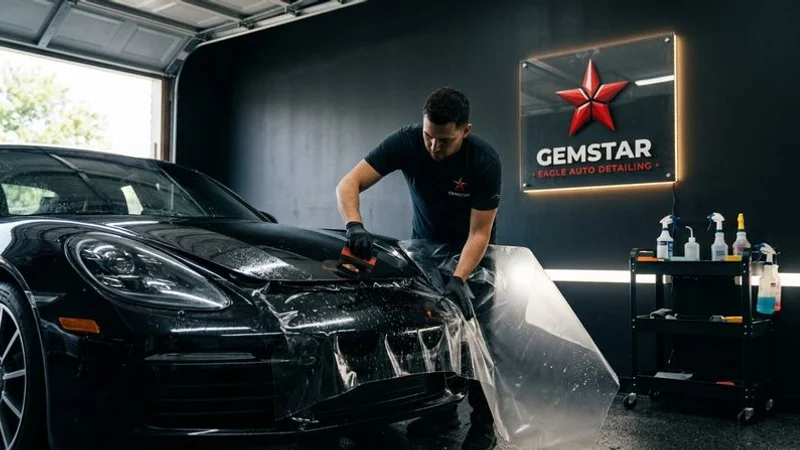
The Best of Both Worlds: PPF Plus Ceramic Coating
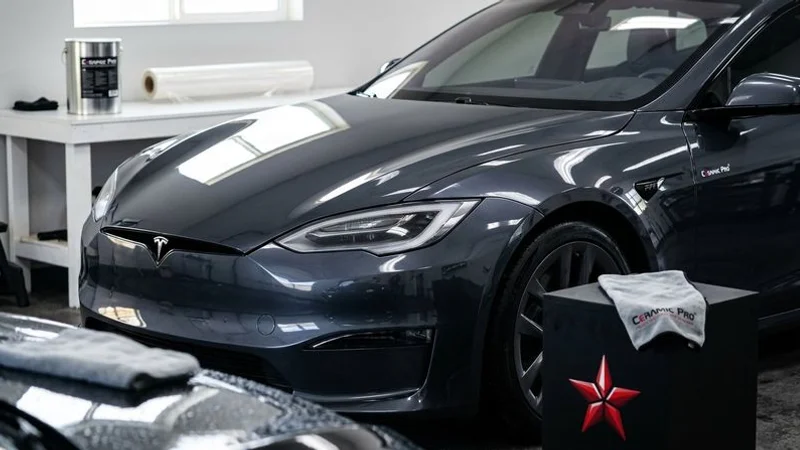
Combining both methods offers the most comprehensive defense system available. You get the impact absorption of urethane where it matters most, backed by the chemical resistance of SiO2 everywhere else.
Our team highly recommends this dual approach for luxury vehicles in the Eagle area. The process follows a specific order:
- Apply PPF to high-impact zones like the front bumper, full hood, mirrors, and rocker panels.
- Apply a 9H ceramic coating over the entire vehicle, including directly on top of the film.
This strategy enhances the film’s natural hydrophobic properties and prevents bug splatter from staining the urethane.
PPF vs. Ceramic Coating: Which Paint Protection Do You Need?
Selecting the ideal package comes down to your driving habits and long-term goals. If you are still asking, PPF vs. Ceramic Coating: Which Paint Protection Do You Need?, review these simple guidelines.
- Choose Paint Protection Film if: Your primary concern is physical damage from flying rocks. Highway commuters facing heavy gravel and debris absolutely need this physical barrier.
- Choose a Ceramic Coating if: You prioritize effortless maintenance, mirror-like gloss, and defense against chemical damage. This chemical barrier suits city-driven vehicles that spend most of their time in Boise traffic.
- Choose both if: You demand total exterior preservation. This combination keeps new cars pristine and protects your financial investment.
We invite you to explore our paint protection film services and ceramic coating packages to secure your vehicle’s finish.
Call Gemstar Eagle Auto Detailing at (208) 953-9102 to schedule a professional consultation.
Tags
Related Service
Learn More About Our Paint Protection Film Service → About Justin
Co-Founder & Lead Detailing Specialist at Gemstar Eagle Auto Detailing
Co-founder of Gemstar Eagle with 15+ years in professional auto detailing.
Related Articles
Ceramic Coating vs. Wax: Why Eagle Residents Are Switching
Discover why more Eagle, Idaho drivers are choosing ceramic coating over traditional wax. Compare durability, protection, cost, and long-term value for your vehicle.
How Long Does Ceramic Coating Last in Idaho's Climate?
Learn how long ceramic coating truly lasts in Idaho's extreme weather conditions and what factors affect its longevity on your vehicle.
How Much Does Ceramic Coating Cost in Eagle, Idaho?
Get a clear breakdown of ceramic coating costs in Eagle, Idaho. Understand what affects pricing and how to choose the right package for your vehicle.
Ready to Book Your Detail?
Put your knowledge into action. Schedule a premium mobile detail with Gemstar Eagle today.